Politics
USA vs Iran War: Will the United States Launch a Major Attack on Iran?

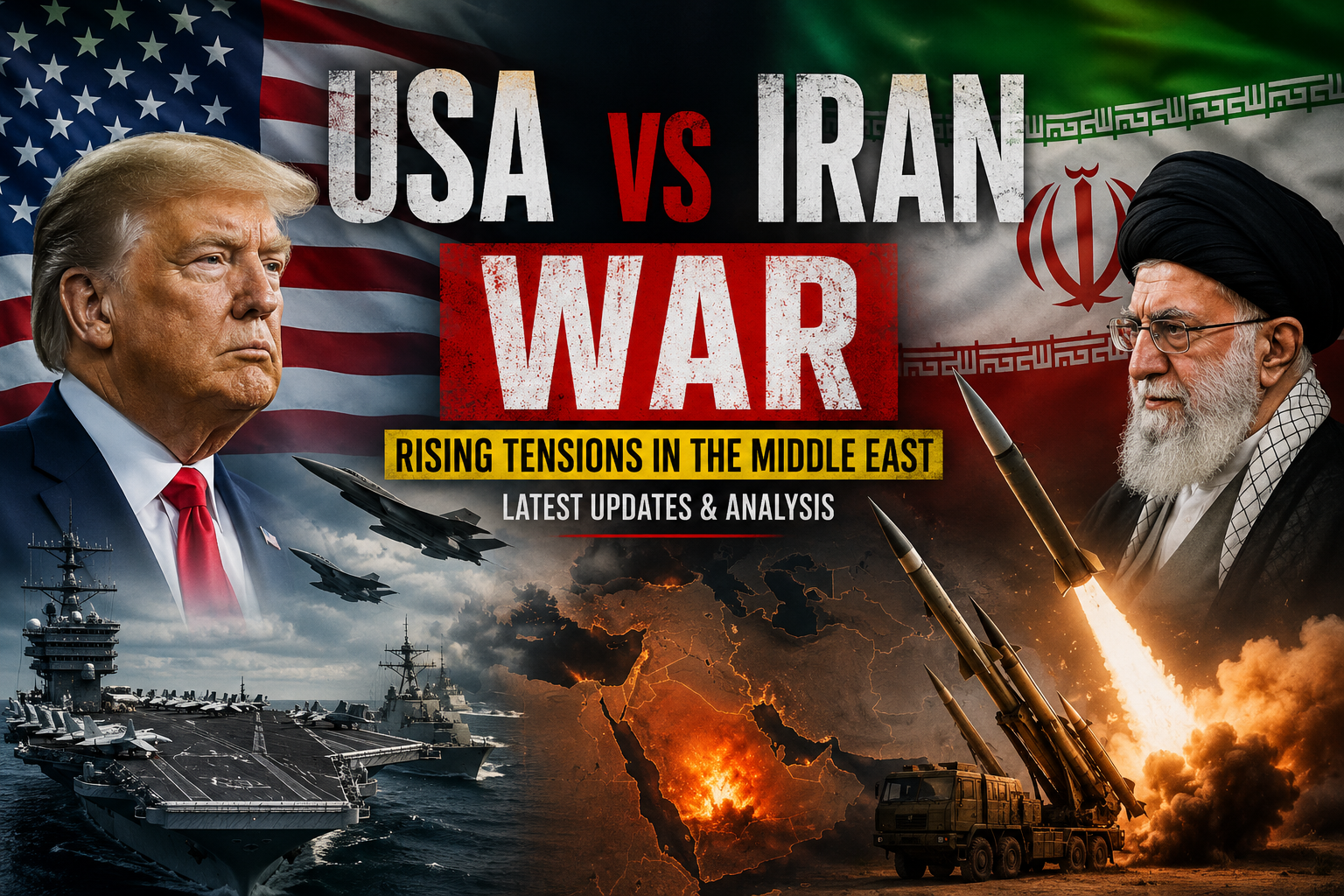
The USA vs Iran War has once again become one of the most discussed international topics as tensions between Washington and Tehran continue to rise. The ongoing US Iran conflict 2026 is attracting worldwide attention due to increasing military threats, diplomatic disagreements, and concerns about regional stability.
Many people searching for Iran latest news are closely following developments after recent statements from US officials and military analysts. While no official confirmation has been issued regarding a large-scale operation, discussions about possible future military action have intensified across global media platforms.
Understanding the US Iran Conflict 2026
The current US Iran conflict 2026 is the result of long-standing tensions between the two countries. Disputes over regional influence, security concerns, military activities, and strategic interests have contributed to the latest escalation.
Experts believe that the situation remains highly sensitive because any major confrontation could impact not only the Middle East but also global markets, energy supplies, and international diplomacy. As a result, searches related to Iran war today, Iran latest news, and USA vs Iran War have increased significantly across search engines.
Trump Iran Attack Warnings Draw International Attention
One of the biggest talking points in recent days has been discussion surrounding a possible Trump Iran attack decision. Statements from US leadership have led many analysts to evaluate whether stronger military measures could be considered if tensions continue to increase.
However, it is important to note that public statements and military warnings do not automatically mean that a large-scale attack will occur. Governments often use strategic messaging as part of diplomatic and military pressure campaigns.
This is why many observers continue monitoring official announcements before drawing conclusions regarding any potential US military action Iran scenario.
Could US Military Action Iran Trigger a Wider Conflict?
Security experts warn that any significant US military action Iran could have consequences far beyond the two countries directly involved.
Potential impacts include:
- Increased instability across the Middle East.
- Disruptions to global energy markets.
- Higher oil prices worldwide.
- Security concerns for international shipping routes.
- Increased military activity in neighboring regions.
These concerns have made Middle East war updates one of the most searched topics among readers looking for reliable geopolitical analysis.
Strait of Hormuz Crisis and Global Oil Markets
The growing Strait of Hormuz crisis remains one of the most important aspects of the current situation.
The Strait of Hormuz is one of the world’s most important energy transportation routes. A large portion of global oil exports passes through this narrow waterway. Any disruption caused by military conflict, political tensions, or security incidents could affect international energy supplies.
Because of the ongoing USA vs Iran War concerns, investors and energy analysts continue monitoring developments related to the Strait of Hormuz crisis.
Iran War Today: What Are Analysts Watching?
When discussing Iran war today, analysts are primarily focused on:
Military Movements
Any unusual deployment of forces could influence regional security calculations.
Diplomatic Negotiations
Ongoing discussions between international stakeholders may help reduce tensions and prevent escalation.
Energy Market Reactions
Oil prices often respond quickly to developments involving the US Iran conflict 2026.
Regional Security Developments
Neighboring countries are closely observing events due to the possibility of broader consequences.
Middle East War Updates: Why the World Is Watching
The latest Middle East war updates are receiving global attention because the region plays a critical role in international trade, energy supplies, and geopolitical stability.
A major escalation involving the United States and Iran could affect:
- Global financial markets.
- International energy prices.
- Shipping and logistics industries.
- Regional security partnerships.
- Foreign policy decisions worldwide.
This is why searches related to USA vs Iran War, Iran war today, and US military action Iran continue trending across multiple countries.
Latest Iran News and Future Outlook
According to analysts following Iran latest news, the coming days and weeks could be important for determining whether tensions increase further or diplomatic efforts succeed in reducing risks.
While concerns remain high, there is currently no verified evidence that a major military operation is guaranteed at any specific time. Readers should rely on official statements and reputable news organizations when following developments related to the USA vs Iran War.
Conclusion
The USA vs Iran War remains a major international story in 2026. The ongoing US Iran conflict 2026, discussions surrounding a possible Trump Iran attack, concerns over potential US military action Iran, and the growing Strait of Hormuz crisis continue to dominate global headlines.
As more Iran latest news and Middle East war updates emerge, governments, analysts, and citizens around the world will remain focused on how this situation develops and whether diplomatic solutions can prevent further escalation.



Entertainment
Did FIFA Help Argentina Win? FBI Probes $300 Million AFA Financial Dealings as Messi Controversy Grows


The phrase “FIFA Investigation on Argentina” has become one of the most searched football topics online after reports emerged that U.S. authorities are investigating financial activities linked to the Argentine Football Association (AFA). At the same time, social media has reignited long-standing debates over whether FIFA has favored Argentina and football icon Lionel Messi during major international tournaments.
While these two stories are often discussed together online, they are not the same. The reported investigation centers on alleged financial transactions involving more than $300 million, while the favoritism claims stem from controversial refereeing decisions and fan speculation. Understanding the distinction is essential to separating verified facts from internet rumors.
For football fans across the United States, this controversy comes at a time when the sport is experiencing record-breaking growth. With the U.S. preparing to co-host the 2026 FIFA World Cup, millions of American fans are paying closer attention than ever to FIFA, international football governance, and the integrity of the game.
Why Is “FIFA Investigation on Argentina” Trending?
Searches for FIFA Investigation on Argentina surged after reports claimed that U.S. federal authorities, including the FBI, are examining financial transactions connected to the Argentine Football Association. According to multiple media reports, investigators are reviewing alleged money laundering and financial irregularities involving approximately $300 million in international transactions.
It is important to note that these reports describe an investigation into financial matters related to the AFA—not an investigation into match results, refereeing decisions, or Lionel Messi. As of now, there has been no official announcement from FIFA stating that Argentina is under investigation for receiving favorable treatment on the field, and no evidence has been presented linking the reported financial probe to sporting outcomes.
Nevertheless, because the investigation coincides with renewed online debates about Argentina’s recent successes, many fans have combined the two stories, fueling widespread speculation across social media platforms.
The $300 Million Financial Investigation Explained
According to reports, the investigation focuses on financial activities involving sponsorship agreements, commercial partnerships, and international transfers handled through entities connected to Argentine football. U.S. authorities are reportedly reviewing whether these transactions complied with financial regulations and anti-money laundering laws.
Investigations of this nature are not uncommon in international sports. Football organizations handle hundreds of millions of dollars through broadcasting rights, sponsorship deals, tournament revenues, and commercial agreements every year. Because many of these transactions pass through U.S. financial institutions, American authorities may investigate if they suspect potential violations of financial laws.
The AFA has not admitted to any illegal conduct, and officials have consistently maintained that the organization’s financial operations comply with applicable regulations. Until investigators release official findings, the allegations remain unproven.
Why Are Fans Linking Messi to the Investigation?
Much of the online discussion revolves around Lionel Messi rather than the financial investigation itself.
Since Argentina won the 2022 FIFA World Cup, some football supporters have repeatedly claimed that refereeing decisions favored Argentina during key matches. These claims resurfaced during recent international competitions whenever controversial penalty decisions, VAR reviews, or referee performances generated debate.
Supporters of rival teams argue that Argentina benefited from several close calls during major tournaments. Meanwhile, Messi’s supporters point out that every World Cup includes controversial officiating decisions affecting multiple teams, and independent reviews have never concluded that FIFA manipulated matches in Argentina’s favor.

Importantly, there is currently no evidence connecting Messi to the reported financial investigation, nor has FIFA announced any investigation into him regarding favoritism or match manipulation.
The combination of a high-profile financial investigation and renewed social media debates has created misleading headlines suggesting that all these events are connected. At present, no official investigation has established such a link.
FIFA’s Response to the Growing Controversy
As discussions surrounding the FIFA Investigation on Argentina continue to dominate social media, many football fans are asking whether FIFA has issued an official response. So far, FIFA has not announced any investigation into Argentina or Lionel Messi over allegations of favoritism.
The governing body has consistently defended its refereeing system, explaining that major international matches involve multiple layers of review. On-field referees are supported by Video Assistant Referees (VAR), assistant referees, match officials, and independent observers who evaluate performances after every game.
Despite these assurances, debates over controversial calls remain common in football. Whether it is the FIFA World Cup, UEFA Champions League, Copa América, or domestic leagues, refereeing decisions frequently divide fans and experts alike.
In Argentina’s case, several penalty decisions and VAR reviews during recent tournaments have continued to fuel online discussions. However, controversy alone does not constitute evidence of bias or misconduct.
How Social Media Fueled the Messi Favoritism Debate
One of the biggest reasons the FIFA Investigation on Argentina became a trending search term is the speed at which information spreads across social media.
Platforms such as X (formerly Twitter), Facebook, TikTok, Instagram, and YouTube have been flooded with videos claiming FIFA “helped” Argentina win important matches. Many of these clips highlight controversial referee decisions while ignoring similar incidents involving other national teams.
Some viral posts have even suggested that the reported financial investigation involving the Argentine Football Association proves that FIFA manipulated tournaments in favor of Argentina. However, no credible evidence has been presented to support that conclusion.
Football analysts caution fans against relying solely on edited highlight videos or unverified social media accounts. Short clips often remove important context, making routine refereeing decisions appear far more controversial than they actually were.
Fact-checking organizations have also warned that misinformation spreads quickly during major sporting events because emotionally charged content generates millions of views within hours.
What Football Experts Are Saying
Sports analysts generally separate the two stories currently dominating headlines.
The first concerns the reported financial investigation into the Argentine Football Association’s commercial dealings. This is primarily a legal and financial matter involving alleged transactions worth more than $300 million.
The second concerns long-running fan debates about refereeing decisions during Argentina’s international matches.
Most experts agree there is no publicly available evidence connecting these two issues.

Former referees have noted that controversial decisions occur in nearly every major football tournament. VAR has reduced some officiating errors, but it has also created new debates because certain decisions remain subjective.
Meanwhile, financial experts explain that investigations involving international sports organizations are not unusual. Large governing bodies and national associations regularly undergo audits and regulatory reviews because they manage enormous amounts of money through broadcasting rights, sponsorship contracts, licensing agreements, and tournament revenues.
Until investigators release official findings, speculation should not be treated as fact.
Why This Story Matters to American Readers
Although the controversy centers on Argentina, the story has attracted significant attention in the United States.
Soccer has become one of America’s fastest-growing sports, with millions of new fans following international competitions. The upcoming 2026 FIFA World Cup, which will be hosted by the United States, Canada, and Mexico, has further increased interest in FIFA’s governance and the integrity of international football.
American sports fans are also familiar with high-profile investigations involving professional leagues. Whether in the NFL, MLB, NBA, or NCAA, transparency and financial accountability are considered essential for maintaining public trust.
For FIFA, maintaining credibility is especially important ahead of the 2026 World Cup. Any controversy—whether related to finances, officiating, or governance—receives global attention because of the organization’s role as football’s highest governing body.
As a result, both the reported FBI financial investigation and the ongoing online debate surrounding Argentina and Lionel Messi are likely to remain major talking points in the months ahead.
What Could Happen Next?
The future of the FIFA Investigation on Argentina depends largely on the outcome of the reported financial investigation involving the Argentine Football Association (AFA). Because the inquiry is still ongoing, several outcomes are possible.
If investigators find no evidence of financial misconduct, the case could be closed without any further action. In that scenario, the speculation surrounding Argentina’s football administration would likely fade, although debates about refereeing decisions and FIFA’s transparency may continue among fans.
It is also possible that FIFA could conduct its own internal review if the findings involve violations of its ethics or governance rules. At the time of writing, FIFA has not announced such an investigation.
For Lionel Messi, there is currently no indication that he is personally involved in the reported financial investigation. The football legend continues to be one of the sport’s most influential figures, and no official authority has accused him of wrongdoing related to these allegations.
Final Thoughts
The FIFA Investigation on Argentina has become one of football’s most talked-about topics because it combines two separate stories: a reported U.S. financial investigation into the Argentine Football Association’s commercial dealings and ongoing fan debates about whether FIFA has favored Argentina and Lionel Messi during major tournaments.
While social media has connected these issues, it is important to distinguish verified facts from speculation. Reports indicate that U.S. authorities are examining financial transactions allegedly involving more than $300 million, but there is currently no official evidence linking that investigation to match-fixing, referee bias, or preferential treatment for Argentina.
Football has always been a sport fueled by passion, and controversial decisions often lead to heated discussions. However, responsible reporting requires relying on confirmed information rather than rumors circulating online.
As investigations continue and more details emerge, fans should follow updates from credible news organizations and official statements from FIFA, the AFA, and relevant authorities. Until then, the phrase “FIFA Investigation on Argentina” should be understood in its proper context: a developing story where many questions remain unanswered.
Frequently Asked Questions
1. What is the reported $300 million investigation?
According to media reports, U.S. authorities are reviewing financial transactions allegedly involving more than $300 million connected to the AFA. The investigation reportedly focuses on financial compliance and alleged money laundering, not football match results.
2. Is Lionel Messi part of the investigation?
No. There is currently no official evidence or announcement indicating that Lionel Messi is personally involved in the reported financial investigation.
3. Is there evidence that FIFA helped Argentina win matches?
No official investigation or credible evidence has proven that FIFA intentionally favored Argentina. The claims largely stem from fan opinions, controversial refereeing decisions, and discussions on social media.
4. Could Argentina face sanctions?
If any financial wrongdoing is officially established, the AFA or individuals involved could potentially face legal or regulatory consequences. However, no sanctions have been announced at this stage.
5. Will this affect the 2026 FIFA World Cup?
At present, there is no indication that the reported financial investigation will affect Argentina’s participation in the 2026 FIFA World Cup.
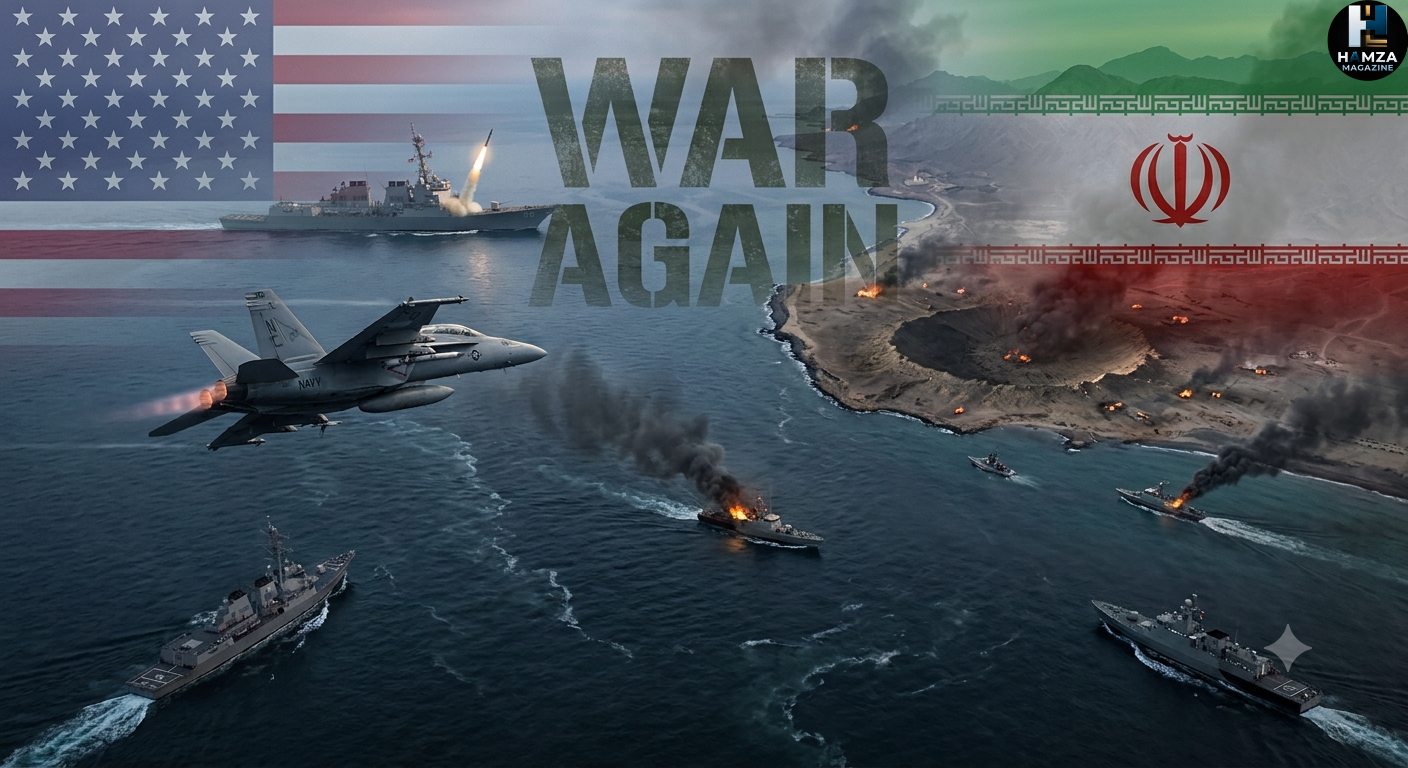
The US-Iran War 2026 has once again become the center of global attention after a fragile ceasefire collapsed and both countries exchanged fresh military strikes. Just weeks after diplomatic efforts appeared to reduce tensions, the Middle East is facing another dangerous escalation. The renewed conflict has raised serious concerns about global security, energy markets, international trade, and the possibility of a broader regional war. Reports indicate that new U.S. military operations targeted strategic locations in southern Iran, while Iran responded with attacks on U.S.-linked military facilities in the Gulf region. (Reuters)
For Americans, this renewed conflict is more than a distant geopolitical crisis. The United States has military personnel stationed throughout the Middle East, making any escalation a direct national security issue. At the same time, disruptions in oil transportation through the Strait of Hormuz could lead to higher gasoline prices, increased inflation, and renewed pressure on the U.S. economy. Financial markets have already shown signs of uncertainty as investors closely monitor every development. (AP News)
Why Has the US-Iran War Started Again?
The latest escalation follows the collapse of an interim ceasefire agreement reached only weeks earlier. According to multiple reports, both Washington and Tehran accused each other of violating the terms of the agreement, particularly regarding military activity around the Strait of Hormuz and attacks involving commercial shipping. These accusations quickly led to renewed military operations. (Al Jazeera)
The United States launched fresh strikes against Iranian military targets after attacks on commercial vessels and growing concerns over freedom of navigation through one of the world’s most important shipping routes. American officials argued that the operations were necessary to protect international trade and U.S. military personnel stationed across the Gulf region. (Al Jazeera)
Iran, however, described the U.S. strikes as violations of previous understandings and responded by launching missiles and drones toward military installations hosting American forces in neighboring Gulf countries. The exchange has significantly increased fears that the conflict could spread beyond the two countries.
International observers believe the latest violence represents one of the most dangerous moments in the region since the original outbreak of hostilities earlier this year. While neither side has officially declared an intention to pursue full-scale war, military actions continue to intensify. (AP News)
How the Renewed US-Iran War Is Affecting the United States
For many Americans, the US-Iran War 2026 may seem like a conflict taking place thousands of miles away. However, history has shown that instability in the Middle East often has direct consequences for the U.S. economy, national security, and foreign policy. The latest round of fighting is already creating ripple effects that could be felt by American families and businesses.
One of the biggest concerns is the price of energy. Iran sits along the Strait of Hormuz, a narrow waterway through which nearly one-fifth of the world’s oil supply passes. Any disruption to shipping in this region can reduce global oil supplies, causing crude oil prices to rise rapidly. Since the latest military strikes, oil markets have become increasingly volatile as investors fear prolonged disruption to commercial shipping. (MarketWatch)
Higher oil prices usually translate into more expensive gasoline across the United States. This means Americans could soon pay more at the pump, while transportation and shipping costs increase for businesses. Rising fuel prices often contribute to inflation, making groceries, airline tickets, and everyday consumer goods more expensive.
Financial markets are also reacting cautiously. Investors generally move money into safer assets during periods of geopolitical uncertainty, leading to fluctuations in stock prices. Major Wall Street indexes experienced increased volatility after news of renewed military operations became public, reflecting concerns that a prolonged conflict could slow global economic growth. (MarketWatch)
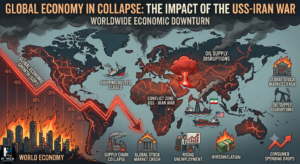
Another major concern involves the safety of American military personnel. The United States maintains thousands of troops and several military bases throughout the Middle East, including facilities in Bahrain, Kuwait, Qatar, and Iraq. Following recent U.S. strikes, Iran claimed responsibility for attacks targeting American military installations in parts of the Gulf region, significantly increasing security risks for U.S. forces stationed overseas. (The Guardian)
International Reactions to the Escalation
The renewed US-Iran War 2026 has triggered urgent diplomatic responses from governments around the world. Allies of the United States have expressed support for protecting international shipping routes while simultaneously urging restraint to prevent the conflict from expanding into a wider regional war.
The United Nations has called for an immediate halt to military operations, warning that continued fighting could create a humanitarian crisis across the Middle East. International organizations fear that additional attacks could destabilize neighboring countries, disrupt global trade, and increase refugee movements throughout the region. (AP News)
European leaders have encouraged both Washington and Tehran to return to negotiations despite the collapse of the recent ceasefire. Diplomatic efforts remain focused on restoring safe navigation through the Strait of Hormuz, reducing military tensions, and reviving discussions surrounding Iran’s nuclear program. However, after President Donald Trump declared that the interim agreement was “over,” prospects for immediate negotiations appear increasingly uncertain. (Reuters)
Countries throughout Asia are also closely monitoring developments because many rely heavily on Middle Eastern oil imports. Any prolonged disruption to energy supplies could affect manufacturing, transportation, and economic growth across the global economy.
The coming days will likely determine whether both sides return to diplomacy or continue escalating military operations. With fresh strikes, retaliatory attacks, and growing international concern, the situation remains highly volatile and could change rapidly. (AP News)
Could the US-Iran War Become a Larger Regional Conflict?
One of the biggest concerns surrounding the US-Iran War 2026 is whether the fighting will remain limited or expand into a broader regional conflict. Military analysts warn that continued exchanges between Washington and Tehran increase the risk of involving other countries across the Middle East. The region is home to numerous U.S. military bases, strategic allies, and important international shipping lanes, meaning even a small escalation could have widespread consequences.
Regional governments are also strengthening their defenses. Several Gulf nations have increased security around military installations, airports, oil facilities, and ports following recent missile and drone attacks. Commercial airlines have rerouted flights to avoid high-risk airspace, while shipping companies are reviewing alternative routes to protect cargo vessels moving through the Persian Gulf. These precautionary measures demonstrate how rapidly the security environment is changing.
Although both governments have indicated they do not seek an all-out war, military experts believe the greatest danger lies in miscalculation. A single large-scale attack resulting in significant casualties could force one or both sides to respond with even greater military action, making diplomatic solutions increasingly difficult.
What Happens Next?
Predicting the future of the US-Iran War 2026 remains challenging because the situation is changing almost daily. Military operations continue while diplomatic channels remain open behind the scenes. Officials from several countries, including European allies and regional partners, are working to reduce tensions and encourage both sides to return to negotiations.
Several possible scenarios could unfold over the coming weeks.
The first possibility is a limited military confrontation, where both countries continue targeted strikes while avoiding actions that could trigger a full-scale war. This scenario would likely keep global markets nervous but could prevent a wider regional conflict.
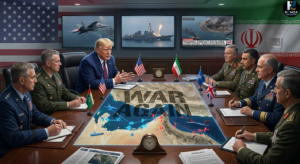
A second possibility involves renewed diplomatic talks. International mediators may succeed in convincing Washington and Tehran to restore a ceasefire agreement and resume discussions over regional security and Iran’s nuclear program. Although difficult, diplomacy remains the preferred option for most world leaders.
The third and most concerning scenario is a broader military escalation. If additional attacks target U.S. personnel or critical Iranian infrastructure, both governments could significantly increase military operations. Such an outcome would likely have serious consequences for global energy markets, international trade, and regional stability.
For American policymakers, the coming weeks will involve balancing national security objectives with efforts to avoid a prolonged conflict. At the same time, Iran faces growing economic pressure while attempting to demonstrate military strength at home and abroad.
Final Thoughts
The renewed US-Iran War 2026 marks another dangerous chapter in one of the world’s most sensitive geopolitical rivalries. What began as targeted military operations has once again evolved into a confrontation with global implications. The conflict is affecting oil prices, financial markets, international diplomacy, and the security of U.S. forces stationed across the Middle East.
For Americans, this is more than an overseas conflict. Rising fuel costs, economic uncertainty, and national security concerns mean that developments in the Middle East can directly impact everyday life in the United States. Businesses, investors, and policymakers will continue watching events closely as new information emerges.
While diplomatic efforts continue, the risk of further escalation remains real. Whether this crisis leads to another ceasefire or expands into a larger regional conflict will depend on the decisions made by leaders in Washington, Tehran, and the international community over the coming days and weeks.
As the US-Iran War 2026 continues to develop, staying informed through reliable sources will be essential. The situation remains highly fluid, and every new military or diplomatic move could shape the future of the Middle East—and the wider world.
Frequently Asked Questions
1. Why has the US-Iran War started again in 2026?
The renewed US-Iran War 2026 began after a ceasefire broke down amid accusations of violations by both sides. New U.S. military strikes and Iranian retaliatory attacks have reignited tensions in the Middle East.
3. How does the US-Iran War affect Americans?
The conflict can impact Americans through higher gasoline prices, increased inflation, stock market volatility, and heightened national security concerns due to U.S. military involvement in the Middle East.
4. Why is the Strait of Hormuz important in the conflict?
The Strait of Hormuz is one of the world’s busiest oil shipping routes. Any disruption there can affect global oil supplies, increase fuel prices, and impact economies worldwide.
5. Could the US-Iran War become a larger regional conflict?
Yes. Military experts warn that if attacks continue or involve U.S. allies and regional partners, the conflict could expand beyond the United States and Iran, increasing instability across the Middle East.
6. How are global oil prices affected by the US-Iran War?
Oil prices often rise during periods of conflict in the Middle East because investors fear disruptions to global energy supplies. Higher crude oil prices usually lead to increased gasoline and transportation costs.
8. What could happen next in the US-Iran War?
Possible outcomes include a renewed ceasefire, continued limited military exchanges, or a wider regional conflict. The situation remains fluid, and future developments will depend on diplomatic and military decisions made by both sides.

Aces vs Liberty: Las Vegas Aces vs New York Liberty Preview, Prediction & Key Players

Kit Connor Latest News: Marvel’s New Cyclops? Heartstopper Star Reaches a Major Career Milestone (2026)

Real Madrid vs Fiorentina: Everything You Need to Know

15 Legit Remote Jobs in the USA That Pay Over $60,000 a Year in 2026

Best Remote Jobs in USA for 2026 (High-Paying Work From Home Careers)

How Care Qevafaginz Network Ltd Works for Providers: A Complete Guide in 2026
-
 Business4 months ago
15 Legit Remote Jobs in the USA That Pay Over $60,000 a Year in 2026
-
 Business5 months ago
Best Remote Jobs in USA for 2026 (High-Paying Work From Home Careers)
-
 Health4 months ago
How Care Qevafaginz Network Ltd Works for Providers: A Complete Guide in 2026
-

 Sports4 months ago
FIFA World Cup 2026 Schedule: Complete Match Dates, Format, and What Fans Can Expect
-

 Tech4 months ago
Yuppow: A Complete Simple Guide to Features, Safety, Use, and Better Online Choices
-

 Tech4 months ago
Fappelo: A Simple, Complete Guide to Safety, Use, Privacy, and Better Online Choices
-

 Sports4 months ago
Streameast Soccer: A Simple Guide to Safe Streaming, Legal Options, and Match-Day Tips
-

 Sports4 months ago
Lionel Messi Makes World Cup History in 2026: A Record-Breaking Legacy